



Price of a new campervan : How much should we actually budget for in 2026?
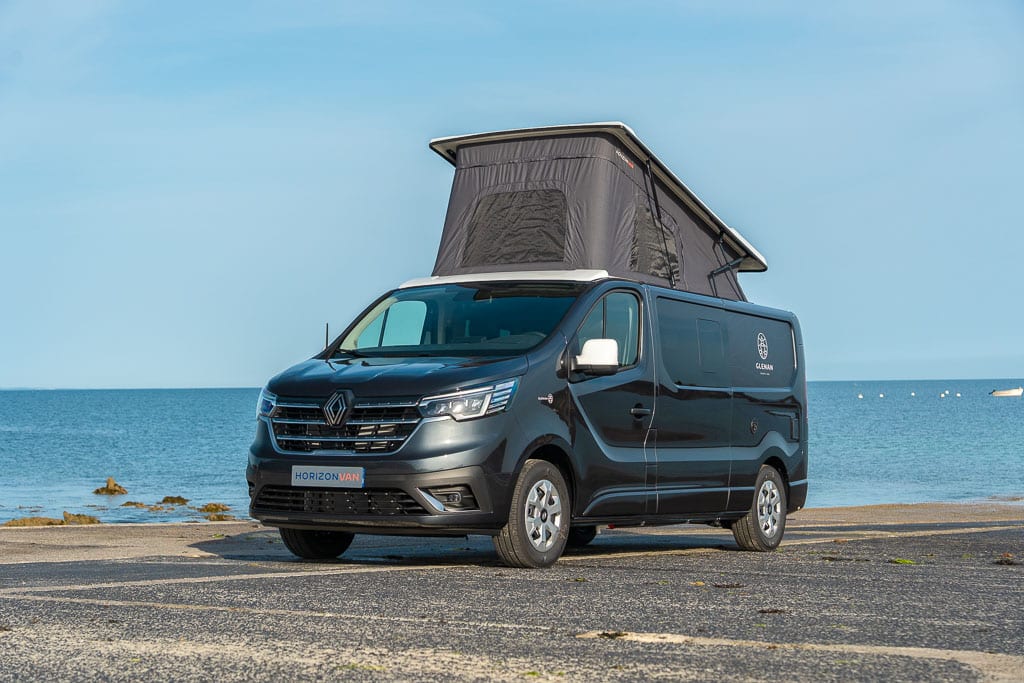
In 2026, the price of a new campervan depends mainly on the standard of fit-out, the on-board equipment and the intended use. Across entry-level, mid-range and premium models, the budget varies according to the quality of the sleeping arrangements, the furniture, the kitchen, the insulation, the storage space and the level of self-sufficiency. In this article, we’ll help you understand what actually makes up the price of a campervan, so that you can choose a vehicle that suits your travel plans, your expected level of comfort and your overall budget.
Buying a new campervan in 2026 is about more than just comparing a spec sheet and a price tag. The budget depends on the type of van, the level of comfort you’re looking for, the fittings you choose, the manufacturing method and the kind of travel experience you want, whether it’s for camping, long-distance travel or everyday use. Glénan Concept Cars helps you understand what the price of a new campervan actually covers, so you can put your project in the right price bracket before taking it any further.
Prices for new campervans: what should you bear in mind?
When considering the price of a new campervan, you need to look well beyond the basic vehicle. Two models within the same range can vary significantly depending on the quality of the fit-out, the level of comfort, the sleeping arrangements, the kitchen, the storage space and the technical features. A proper budget isn’t just about the initial purchase, but about investing in a project that fits in with your lifestyle and the way you travel.
In 2026, the market generally distinguishes between three tiers: entry-level, the comfort level and premium versions. Everyone has different expectations when it comes to new cars, the in-car experience, practicality and how they use their vehicle. It is precisely this perspective that we need to adopt to avoid comparing models that are not aimed at the same audience or the same uses.
What goes into the price of a new fitted van
The price of a campervan is determined by a number of factors that are worth considering before making a purchase. These include the base vehicle, the quality of the fit-out, the materials chosen, the power systems, whether the fit-out is fixed or removable, and the comfort options all play a part in the final budget.
The length of the vehicle, its level of insulation, whether it has a pop-up roof, the quality of the bed, the layout of the kitchen and the amount of storage space also have a direct impact. The more the vehicle is designed to offer you a a real living space, and the price reflects this move upmarket.
You also need to factor in the associated costs: insurance, potential funding, maintenance, accessories and any modifications required depending on how you use it. In other words, the correct budget isn’t just the catalogue price, but the cost of full use over the long term.
The main budget headings
The price of a new campervan is generally made up of five main components: the base vehicle, the interior fit-out, the comfort features, the technical solutions adopted and the finish. The budget then varies depending on the philosophy of the builder or developer.
A model designed for occasional travel can be kept within a more modest budget, whilst a van designed for frequent use and long-term travel – with a fixed bed, a fully equipped kitchen and optimised storage space – naturally requires a greater investment. This difference is significant, because it determines the consistency between price and actual usage.
Price ranges by configuration in 2026
To help you get your bearings, there are three main categories of budget. These guidelines are no substitute for a quote, but they provide a useful overview of the price range for a new campervan in 2026.
Entry-level: the essentials for travelling
This category includes models that offer a practical starting point, with all the essentials for a camping trip or regular short getaways. They are more affordable, but the level of equipment is generally limited: a more compact layout, simpler storage solutions, more modest comfort levels and, at times, limited options.
This level is often suitable for a buyer who is primarily looking for a recreational vehicle Versatile, offering a reasonable balance between everyday use and occasional trips. It’s a trade-off: you get a more affordable van, but with less scope for customisation and on-board comfort.
Comfort level: the right balance for many buyers
The heart of the market is often found in this area. Here, the new campervan It already offers a genuine on-board living experience: a more sophisticated sleeping area, a better-integrated kitchen, more storage space, better insulation and a more consistent level of comfort. This is often the standard sought by couples or families who want a vehicle that is both practical and pleasant to live in.
In this scenario, the budget strikes a better balance between usage, durability and perceived quality. There’s nothing superfluous here, but a well-thought-out layout that truly complements the journey. This is often the best place to start when making an informed purchase.
Premium: a van designed as a proper living space
In the premium range, the van is almost like a proper mobile living space. The facilities are more comprehensive, more durable materials, more meticulous finishes and an interior layout that is more practical for everyday use. The price is therefore justified by the level of work that has gone into the design, the customisation and the quality of manufacture.
This type of configuration is aimed at buyers who want a durable vehicle that is comfortable to live with on long trips and capable of meeting more demanding requirements. The budget is higher, but this reflects a more intensive and sophisticated use of the vehicle.
Small-scale developer or mass production: what the price reveals
It would be simplistic to compare a bespoke van fitter such as Glénan Concept Cars with a mass-produced, industrial offering solely on the basis of price. The two approaches do not place the same level of emphasis on the design and fit-out of your van. Mass-produced models often focus on standardisation and widespread distribution, whilst an artisanal fit-out specialist pays greater attention to detail, ensuring the fit and personalisation of your project, and the perceived quality.
What the ‘artisanal’ approach actually changes
A bespoke fit-out allows you to tailor the vehicle to your actual needs. This includes the sleeping area, the kitchen, charging solutions, storage solutions, interior design and even the way the van is to be used on a day-to-day basis. This approach to customisation is highly valuable, as it minimises unnecessary compromises.
It also ensures a better match between price and use. You’re not just buying a vehicle: you are investing in a setup designed for a specific project. For an informed buyer, this is often what justifies the price difference compared with certain more standardised solutions.
Why after-sales service matters just as much as the price
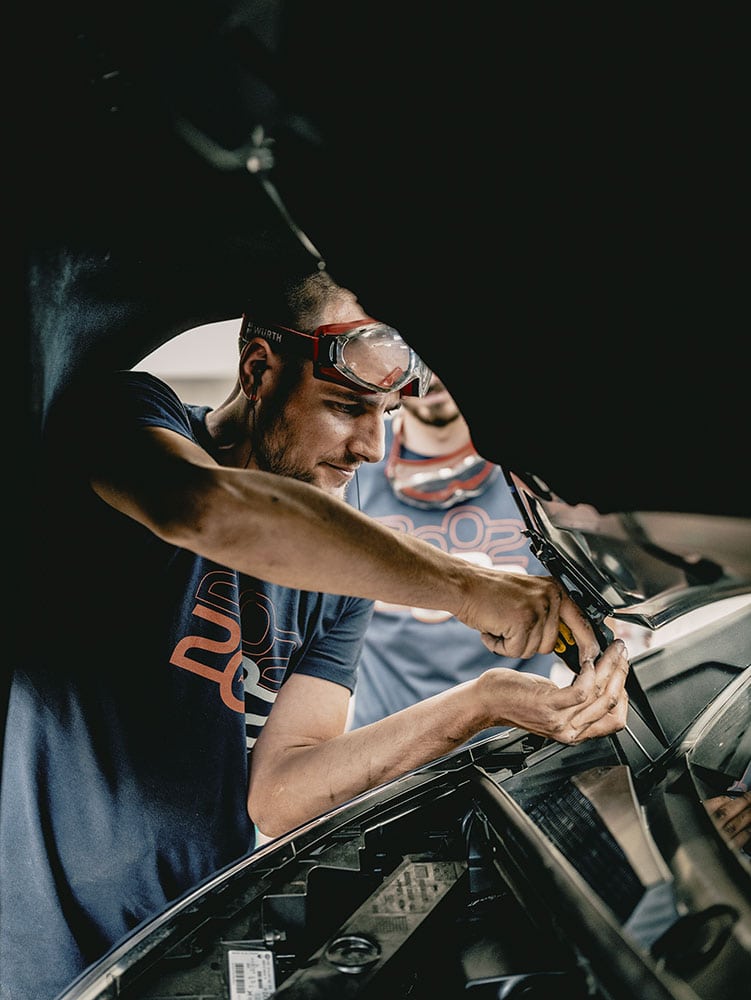
The price of a new campervan also reflects the level of support provided. A vehicle designed in collaboration with a reputable design firm such as Glénan Concept Cars, which knows its products and maintains long-term relationships with its customers, often provides greater clarity over time. After-sales support, a local presence and the ability to upgrade the vehicle all contribute to the overall value of the purchase.
It is in line with this approach that Glénan Concept Cars operates, with local manufacturing in Brittany, direct customer support and an online configurator that allows customers to build a bespoke project, free from unnecessary options. To discover the Horizon modelsVan 4 and HorizonVan 5, you can view their dedicated product pages: HorizonVan 4 and HorizonVan 5. To find out more about the brand’s positioning, visit the page Our values also highlights the company’s strong roots in Concarneau.
What factors really affect the budget?
When comparing several quotes, certain criteria have a much greater impact on the final price than others. The first is often the level of insulation, as this directly affects comfort in all seasons. Next come the sleeping arrangements, the kitchen, the type of roof, the self-sufficiency in electricity and water, and the quality of the finishes.
The second criterion is the degree of modularity. A vehicle with a fixed bed, a fully fitted kitchen and optimised layout do not meet the same needs as a more minimalist model. Similarly, a van designed for five people will not be laid out in the same way as a vehicle for two people.
Finally, comfort really does matter: the battery, on-board power supply, heating, seat configuration, vehicle length and choice of materials all affect the cost you’ll need to budget for. The more specific the project is, the clearer the budget becomes.
The price of a new campervan: what you need to know before buying
The real issue isn’t about finding the ‘cheapest’ van, but about Choose the van that suits your budget and your intended use. A well-chosen new campervan should strike a balance between comfort, quality, self-sufficiency and suitability for your travelling style. With this in mind, the three main configuration ranges will help you plan your project more effectively before making a purchase.
What’s more, taking the second-hand market into account allows you to assess your van’s resale value.
If you’re looking for a robust, high-quality and durable solution, crafted with attention to detail, the Glénan configurator allows you to progress at your own pace and to to develop a project tailored to your actual needs. Our configurator also allows you to explore all the customisation options that have made our brand so well-known.
You can also take a look at our article on the Renault Trafic Escapade vs HorizonVan to gain a better understanding of the differences between a developer’s proposal and a property developer’s approach.

Choosing a new campervan It is therefore not just a matter of comparing prices, but of striking the right balance between budget, comfort, intended use and the quality of the fit-out. By clearly defining your needs, you can steer your project towards a coherent and sustainable layout, tailored to your travelling style. To get a personalised quote and build a van that suits you, please contact Glénan Concept Cars and request a quote.
FAQ
What is the average price of a new campervan in 2026?
The price varies depending on the configuration level, but above all, you need to think in terms of usage: entry-level, comfort or premium. The right budget depends on the trim level, the features and the degree of customisation you want. However, a realistic range would be between €55,000 and €70,000
Is it better to buy a new or second-hand campervan?
A new car provides a clearer picture of the budget, the equipment and the vehicle’s general condition. A second-hand car may be a good option depending on your needs, but it requires a more thorough check of the interior, the vehicle’s history and the condition of the equipment.
Which items of equipment really drive up the bill?
The main elements are insulation, sleeping arrangements, the kitchen, energy solutions, heating, built-in storage and finishes. The more the vehicle is designed as a genuine living space, the higher the investment becomes
Is a hand-built campervan more expensive than a factory-built model?
Not necessarily in every case, but it is often based on a different approach. Artisanal production places greater emphasis on personalisation, the coherence of the project and the quality of manufacture.
How can I get an accurate quote for my campervan conversion project?
The best option is to go through our configurator or to speak directly to a Glénan Concept Cars specialist. This allows us to tailor the vehicle to your actual needs, without over-specifying it or any unpleasant surprises when it comes to the price.